Most B2B teams are still running virtual conferences on meeting software and wondering why the events don't generate pipeline.
There's a reason.
Zoom, Teams, and GoToWebinar were built for internal communication. They were not built to capture buyer intent, track engagement across an account, or feed behavioral data into your CRM in real time. Sending your best prospects to a third-party destination breaks attribution and hands your website traffic to a vendor.
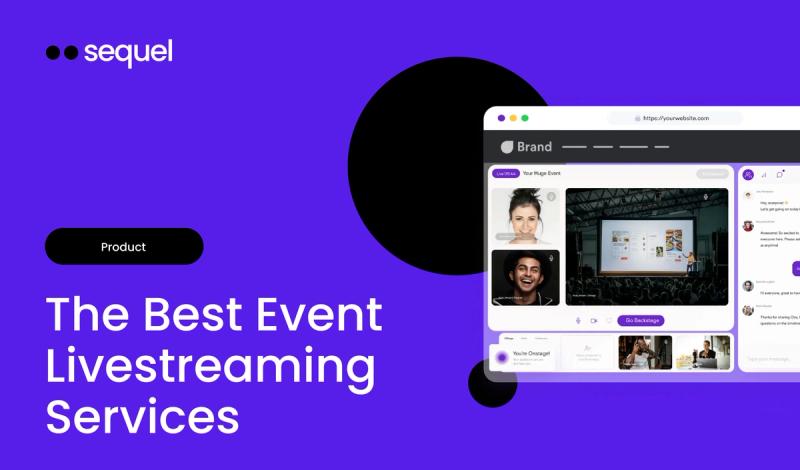
A modern virtual event platform does something fundamentally different. It runs the entire experience on your website. Registration, live broadcast, Q&A, polls, replay. All on URLs you control. Every attendee becomes a measurable website visitor. Every interaction becomes first-party data that routes directly to sales.
This guide covers what to look for, how to structure high-converting events, and the real-world playbooks B2B companies are using to turn virtual conferences into pipeline engines.
What a Virtual Conference Platform Actually Does
A virtual conference platform handles registration, multi-track agendas, networking, and post-event analytics for large-scale interactive events. That description fits a dozen vendors.
The difference is where the event lives and what happens to the data.
Meeting Software vs. Conference Platforms
Meeting software puts everyone in a grey box on a third-party domain. You get a participant list and a recording file. Conference platforms keep the audience on your website, capture behavioral data across the entire session, and connect that data to your CRM automatically.
The distinction matters because attendance alone tells you nothing. A conference platform captures how people engage during the broadcast and what they do on your website before and after. That creates a single behavioral record per person and per account.
A meeting tool gives you a headcount.
Core Features Worth Paying For
HD video, clean audio, and screen sharing are table stakes. Every platform has them. The features that actually impact revenue are the ones most teams skip when evaluating vendors.
1. Native Website Embedding
The event should live on your domain. Live Sessions hosted directly on your website keep traffic on your property and surround attendees with your product pages, pricing, and conversion paths.
No third-party landing pages. No app downloads. No friction between "watching your webinar" and "exploring your product."
2. Automated Content Repurposing
A recording that sits in a folder is a dead asset. The platform should automatically generate transcripts, blog posts, and video clips from every session.
One live event becomes months of organic content without a human touching an editing timeline.
3. Real-Time CRM Integration
Engagement data only matters if sales can act on it. The platform must push clean, configurable data directly into your CRM and marketing automation tools. Poll answers, questions asked, watch time, CTA clicks...all of it synced in real time with custom field mapping so your lead scoring models actually reflect what happened.
Legacy Tools vs. Embedded Solutions
Zoom holds 55.91% of the market in global video conferencing. For internal calls, that dominance makes sense. For enterprise marketing events, it creates problems.
Legacy tools force attendees to download applications and leave your website. Every prospect who clicks a Zoom link exits your ecosystem. You lose tracking visibility and retargeting capability. Plus, you lose the conversion paths you spent months building.
Embedded solutions take the opposite approach: the entire event experience lives inside your CMS.
All engagement data routes directly into your marketing automation platform. Customer data stays on owned properties. No complex developer work required to connect the systems.
Designing for Attention (Not Just Attendance)
A 2025 benchmark report found that 52% of fully remote leaders spend three or more hours per day in virtual meetings. Your audience is fatigued before your event starts.
If the experience feels like another internal sync, they'll leave.
High-performing platforms solve this with frictionless access and engineered interactivity. Attendees join directly from their browser. Once inside, the environment has to earn their attention every few minutes.
Live chat, dynamic polls, and moderated Q&A sessions increase event engagement by turning passive viewers into active participants. When someone votes in a poll, asks a question, or clicks a CTA, they've shifted from watching to participating.
That shift generates the exact behavioral signals your sales team needs for follow-up.
Breakout rooms add another layer. Small-group video sessions where attendees can unmute and network transform a static broadcast into something closer to an in-person experience.
The Full-Funnel Playbook
Technology alone doesn't create pipeline. You need a structured approach to maximize webinar conversions across the entire attendee lifecycle.
1. Pre-Event: Registration and Routing
Embed the registration form on a high-converting landing page on your own domain. Connect it directly to your CRM. Set up automated routing so target accounts are flagged for sales the moment they register.
Your SDRs should know exactly who's showing intent before the event begins.
2. During the Event: Intent Capture
Don't wait until the end to gauge interest. Deploy strategic polls and CTA banners during the live broadcast.
Discussing a specific pain point? Push a CTA offering a relevant resource or a direct link to book a demo.
Every click is a high-intent signal that feeds your lead scoring model. Assign specific point values for attending live versus watching on-demand so your scoring reflects actual engagement quality.
3. Post-Event: CRM Activation
Speed to lead determines conversion rates. Sync all engagement data to your CRM the moment the event ends. Pass specific metrics: watch time, poll answers, questions asked. Sales gets exact context for outreach. Instead of a generic follow-up email, an SDR references the exact question a prospect asked during Q&A.
This full-funnel approach is how Tekmetric booked 139 demos from a single webinar. Not from a bigger audience, but from better infrastructure.
Calculating ROI That Leadership Believes
Registration counts don't prove revenue impact. Virtual meetings reduce travel costs by 30%, which gives you a cost savings baseline. But cost avoidance isn't the same as pipeline generation.
To accurately prove event ROI, track pipeline influence at the account level. Identify when multiple stakeholders from a single target account attend your events, ask questions, and download resources.
That pattern signals a buying committee in motion.
A modern platform connects website analytics with in-event engagement data. You can see that a lead visited a product page, registered for a webinar, asked two questions about integrations, and later watched the on-demand replay. That full-journey view turns a webinar from an isolated marketing tactic into a measurable pipeline accelerator.
CaliberMind built their virtual event series around this approach and influenced $4M+ in pipeline. Instead of running more events, they measured the right things and connected the data to revenue.
Where This Is Going: AI and Hybrid
The next evolution of virtual conference platforms centers on making event data instantly usable.
AI now generates engagement summaries for CRMs automatically. Sales teams see exactly what a prospect cared about without watching a 60-minute replay. Real-time translation and AI dubbing are breaking down language barriers so a single event reaches global audiences without separate productions.
Marketing teams are moving past the "replicate a physical conference online" mindset.
The focus has shifted to building digital-first virtual events that adapt to attendee behavior in real time. Every session becomes a data collection point. Every replay becomes a content asset and every engagement signal feeds the revenue engine.
Virtual conferences are no longer a top-of-funnel awareness play. They're high-signal moments that identify buyer intent and drive predictable growth.
What to Do Now
Three steps to evaluate whether your current platform is costing you pipeline.
Audit your attendee journey: Follow the path a prospect takes from registration to live session to post-event follow-up. If they leave your website at any point, you're sacrificing organic traffic and breaking attribution.
Map your data flow: Document exactly how engagement data moves from the event into your CRM and sales workflow. If poll responses, watch time, and questions don't sync in real time, your sales team is working blind.
Pilot an embedded experience: Host your next virtual conference directly on your website. Keep the audience surrounded by your product pages, your pricing, and your conversion paths. Measure the difference in engagement quality and pipeline influence against your last third-party event.
The gap will answer every remaining question.