Marketers know passive broadcasting doesn't generate pipeline. That's why 75% prefer live webinars over pre-recorded content. The immediate engagement is the reason we keep investing.
But capturing real attention online requires more than launching a multiple-choice poll and calling it interactive.
Zoom fatigue is real. If your attendees are multitasking in another tab or checking emails during your presentation, your event is already failing. A basic poll asking "where is everyone joining from?" isn't going to fix that.
And Sending your best prospects to a third-party destination breaks the brand experience and kills participation. When Carta started embedding events directly on their website, they drove over 51,000 registrations and hit an attendance rate 11% higher than the industry standard.
Keeping buyers on your owned domain is the foundation; everything else builds on top of that.
The Science of Beating Zoom Fatigue
But the good news is that burnout isn't the default state: webinars engage participants at 60-70% rates when designed correctly.
The secret is the state change.
There are things that you can do to force the brain to reset its attention span. Drop the slide deck and show a full-screen speaker. A few minutes later, introduce a poll or bring a new voice into the conversation. Disrupt the visual and auditory baseline regularly. If you don't engineer these shifts, your audience will find their own state change. It's called their email inbox.
Four Interactive Tools That Actually Work
1. Live Polling and Quizzes
Use the data to pivot the conversation in real time. When a speaker addresses a poll result directly, the audience realizes their input actually matters. That creates an immediate feedback loop and generates first-party data you can use for lead scoring.
2. Dynamic Q&A
Integrate questions throughout the session. A dedicated Q&A tab keeps technical questions organized and prevents them from getting buried in the main chat. Address questions as they come in. It proves you're listening and turns a broadcast into a conversation.
3. Active Chat Channels
A silent chat is a dead event.participate in community features
Seed the chat early. Your team should be in there sharing relevant links and responding to comments. Ask attendees to drop a specific word if they agree with a controversial point. Momentum builds quickly when people see others participating.
4. Gamification and Rewards
Small incentives drive meaningful behavior. But more importantly, these interactions capture intent at the exact moment it peaks. That data is gold for your sales team.
Why You Need a Host Who Isn't Your Presenter
Relying on a subject matter expert to both present complex material and manage audience energy is a mistake. They'll do one well and the other poorly. Usually the energy management suffers. You need a dedicated host.
A great moderator acts as the proxy for the audience. They keep an eye on the chat and will politely interrupt the presentation to inject a relevant viewer question. If a speaker gets bogged down in technical details, the host pulls the conversation back up to the strategic level. If software issues pop up, the host keeps the narrative moving.
A good host eliminates dead air, and that alone is worth the investment.
Designing an Agenda for the Medium
To build engaging webinars, break your content into distinct, digestible blocks. Mix a 15-minute keynote with a 20-minute panel discussion or bring a customer on screen for a rapid-fire interview. Shorter segments create natural transition points that reset attention.
Also, don't open with corporate overview slides. Open with a provocative thesis and dliver real value within the first three minutes. A fast-paced, modular agenda respects your buyer's time and keeps their attention locked on the screen.
Facilitating Connection, Not Just Consumption
they stay to connect
While some organizations use virtual events to connect with remote employees, smart B2B marketers know the real revenue opportunity is connecting buyers with peers. B2B buyers crave peer validation, so give them the space to talk to each other instead of just listening to you.
Use moderated breakout rooms to replicate the hallway track of a physical conference. Keep groups small and assign a specific problem for them to solve together. Themed discussion channels let participants find peers with similar challenges. These conversations generate trust faster than any slide deck.
Accessibility Is a Revenue Driver
- Turn on live captioning for every session (some folks have to keep it on mute if they're watching in an office).
- Double-check that your slides feature high-contrast text.
- Offer flexible on-demand viewing immediately after the live session ends.
Making your webinar widely accessible expands your total addressable audience and removes friction that prevents prospects from engaging with your brand. Every barrier you remove is a potential conversion you save.
The Hybrid Problem: Remote Attendees as Afterthoughts
You have to design two distinct experiences that intersect. Assign a dedicated host who speaks directly to the camera for the online crowd. Unify your Q&A so remote questions carry the same weight as those asked at the physical microphone.
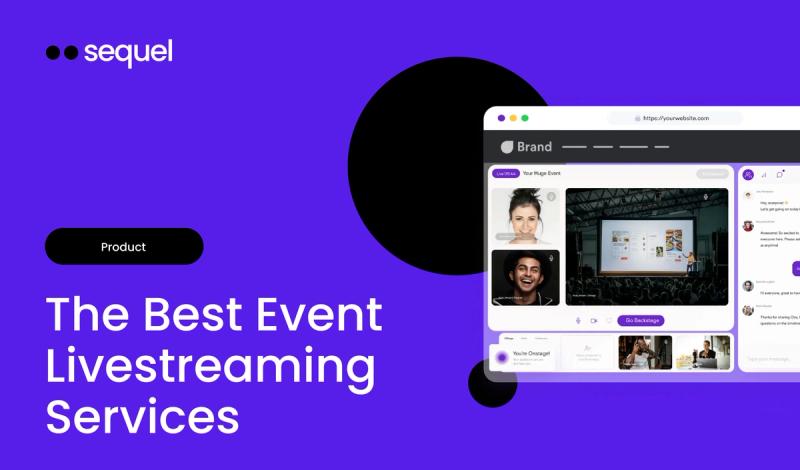
Sequel lets you manage the workflow for both virtual and in-person events natively. All engagement data flows into one system. No audience gets left behind.
Measuring What Actually Matters
Hosting revenue-driving virtual events requires capturing what happens before, during, and after the session.
When your webinar lives on your website, every interaction becomes a measurable first-party data point. Track exact watch time, score leads based on specific poll answers, and see if an attendee asked a pricing question and then immediately clicked a CTA to visit your demo page. This creates a unified timeline per contact and account.
That data flows immediately into Salesforce and HubSpot and sales gets real-time alerts. They see exactly what an account cares about before they pick up the phone. This is the difference between a cold call and a conversation.
Storylane did exactly this. By capturing specific viewer actions on their own domain, they drove a 50% increase in brand searches and influenced over $30,000 in pipeline.
Turning Engagement Into Pipeline
But an engaged attendee list sitting in a disconnected third-party platform doesn't help your sales team. You need first-party data flowing directly into your CRM and marketing automation the moment the event ends.
Map specific audience actions to your lead scoring model. Enable instant, contextual follow-ups while buyer interest is at its peak. Speed to lead often dictates win rate.
Maximize webinar conversions by rethinking where your content lives. Bring the entire experience onto your own website. Retain control of the buyer journey from the first registration click to the final sales conversation.