Virtual networking events lost their novelty years ago. Now, they're table stakes.
But most B2B companies are still running virtual networking events like mandatory corporate meetings. They push prospects into third-party waiting rooms, run a few awkward icebreakers, and hope pipeline appears.
Then they wonder why the engagement data is useless.
The value of a virtual networking event is:
- Who showed up
- What questions they asked
- Which breakout room they joined
- How long they stayed
- And whether they visited your pricing page afterward.
Stop giving away that data to external platforms. Virtual networking events belong on your website, where every interaction becomes a trackable, actionable data point.
Why Virtual Networking Events Matter for Pipeline
The obvious benefits are global reach and cost efficiency compared to renting a hotel ballroom. The barrier to entry for your audience is close to zero, but the real advantage is behavioral data.
And audience appetite keeps growing.
Recent data shows networking webinar attendance grew every quarter of 2024, averaging 229 live attendees per session, a 19% increase.
Plus, the Virtual Events Market is valued at $16.61 billion and projected to reach $27.65 billion by 2031.
That investment only makes sense when you control the environment. A well-executed virtual networking event captures the exact signals buyers willingly give. Every poll answered, question asked, and resource downloaded becomes a data point.
Marketing and sales can then use that data to score leads and personalize outreach with real context, not guesses.
Planning Virtual Networking Events That People Actually Attend
1. Choose the Right Format
Structured formats include speed networking and expert Q&A sessions. These work best when attendees don't know each other. Use breakout rooms to pair people for five-minute intervals or center the conversation around a specific industry problem.
The structure removes the awkwardness of "so... what do you do?"
Unstructured formats include coffee chats and virtual happy hours. These work better for existing communities or customer advisory boards where participants already share a baseline connection. The relationships exist.
The format just needs to create space for them.
2. Promote for Quality, Not Volume
maximize webinar registrations
Don't rely on generic email blasts. Segment your database and send personalized invitations based on firmographic data or past website behavior. Position the event around a specific, urgent problem your target audience faces.
Here's the truth about virtual networking events: professionals won't give up an hour to "network." They show up to discuss a shared challenge with peers who understand it. Frame your event around the problem, not the format.
3. Host on Your Website, Not a Third-Party Platform
That breaks attribution, kills conversion paths, and leaks data.
You need to host virtual networking events on your website to keep traffic on your owned properties. When you embed the event directly into your CMS, every attendee becomes a measurable website visitor.
They stay surrounded by your product pages and pricing instead of getting lost in someone else's app.
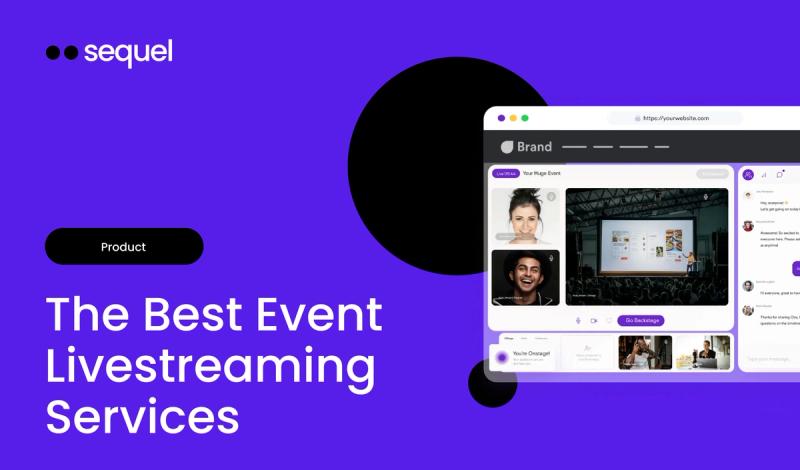
Live Sessions give you a full production suite directly on your site. Reliable video, native CRM activation, and first-party data collection without sacrificing the brand experience.
Keeping the Audience Engaged From Minute One
Don't wait five minutes for stragglers while staring at a silent screen. Ask attendees to drop their location and current project into the chat immediately. That first act of participation breaks the ice faster than any icebreaker game.
Use polls to take the room's temperature and display results live. Seeing that other people are actively participating gives permission for everyone else to join in. When moving into group discussions, manage dominant speakers.
If one person monopolizes the conversation, redirect: "Great perspective. Let's hear how someone else is handling this."
Driving audience engagement in virtual networking events requires constant, low-friction prompts. Deploy CTA banners to share relevant resources or prompt next steps while interest is high. Every interaction generates a data point. A prospect who participates in three discussions, asks about your integration capabilities, and clicks a resource link is a fundamentally different lead than someone who joined and watched silently.
Troubleshooting the Common Failures
1. Low Attendance and No-Shows
Keep your show rate high with a tight reminder sequence. Send calendar holds immediately after registration. Follow up 24 hours before with a specific teaser about what will be discussed. Send a "starting now" alert 15 minutes before. Each touchpoint reignites the initial interest that drove the registration.
2. Awkward Silences in Breakout Rooms
Pre-seed the conversation. Assign a specific prompt or debate topic before opening breakout sessions. Give each group a clear deliverable: "Come back to the main stage with your top two solutions to this problem."
That forces immediate collaboration. Nobody sits in silence when they have an assignment.
3. Technical Friction
Use browser-based platforms that require zero downloads. Include clear instructions in reminder emails about which browsers work best. Have a dedicated team member monitoring chat solely for technical support so the host can focus on running the session.
Measuring Virtual Networking Event ROI
Track Signals, Not Headcount
Build a behavioral record per person and account.
- Did they attend live?
- How many minutes did they stay?
- Did they participate in breakout rooms?
- Did they click the follow-up resource?
When you connect website analytics with event analytics, results scale dramatically. Mutiny used this approach to generate a 42x ROI and $1.7 million in pipeline from their event series by capturing better data from the ones they ran.
Turn the Recording Into a Content Engine
Repurpose the content systematically. AI tools like Sequel AI automatically generate blog posts, social clips, and transcripts from the recording. A single hour of live networking becomes a month of evergreen content. Your sales team gets a library of relevant material to share with future prospects. Your website gets fresh, indexable content that builds organic authority.
The live session captures intent data. The repurposed content extends reach. Both feed pipeline.
Getting Started With Virtual Networking Events
1. Pick a problem, not a theme.
Frame your virtual networking event around a specific challenge your ICP faces. "Q2 Pipeline Strategies for Demand Gen Leaders" fills a room. "General Networking Hour" doesn't.
2. Host on your domain.
Embed the event on your website so every attendee generates first-party behavioral data. Your analytics, retargeting, and attribution all stay intact.
3. Engineer participation from the start.
Deploy chat prompts, polls, and structured breakout rooms so attendees are interacting within the first two minutes. Passive viewing kills the value of virtual networking events.
4. Connect to your CRM before the event.
Map custom fields so engagement data flows into contact records in real time. Sales should have signals before the session ends, not three days later in a CSV.
5. Repurpose immediately.
Plan your derivative content before you go live. Know what blog posts, clips, and social assets you'll extract. The content engine should start producing the same week.
Virtual networking events are one of the lowest-cost, highest-signal formats available to B2B marketing teams. The companies getting results aren't running better icebreakers. They're capturing better data on better infrastructure.