What is Content-Led Growth & How Does it Impact Marketers?

As a marketer, content has likely been at the forefront of your strategies. However, with the term “content-led growth” becoming increasingly popular, you might be wondering—what this exactly means for you.
And you might be curious how it specifically differs from its sibling term, “content-led marketing,” it at all.
In this article, we will uncover this concept and help you understand its importance for marketers like yourself.
Content-Led Growth vs. Content-Led Marketing
Often, these terms get used interchangeably. But they really shouldn’t be.
Content-led marketing is the tactic. It’s how you use content as your primary channel for attracting, engaging, and converting buyers. It answers the question “how do we market this company?“
Content-led growth is the strategy. It’s the decision to make content the central engine for the entire business, not just marketing but also sales enablement, customer retention, product adoption, and expansion revenue. It answers the question “how does this company grow?“
Content-led marketing is what the team does in the trenches, and content-led growth is the result of what happens when it works.
Let’s start with the marketing execution and show how it compounds into a growth engine.
What is Content-Led Marketing?
Content-led marketing is an inbound approach where content is the main channel for reaching and converting buyers. Rather than being a supporting function alongside paid and outbound, it becomes the primary channel.
In practice, this means every major marketing activity runs on content you create:
- Blog posts drive organic traffic
- Webinars generate qualified leads
- Comparison pages capture prospects evaluating solutions
- Email nurture sequences educate and build trust over time
- Social content extends reach without ad spend.
Content-led marketing works in B2B because of how buyers actually behave. It’s no secret that most of the buying journey happens before a prospect contacts sales. They’re researching, comparing, building internal business cases. Every piece of content that helps them do that job moves your company closer to the deal, whether your sales team is involved yet or not.
Three things change when you adopt content-led marketing as your operating model:
1. You invest in assets, not campaigns. A paid ad stops generating leads the moment you stop paying. A well-optimized blog post generates leads for years. Content-led marketing prioritizes building a library of compounding assets over running campaigns with expiration dates.
2. You earn attention instead of buying it. Content-led marketing depends on relevance, not reach. You don’t need a massive audience. You need the right audience finding you through search, social, and referrals because your content genuinely helps them.
3. You build trust before the sales conversation. By the time a prospect talks to your team, they’ve already read your content, watched your webinars, and formed an opinion about your expertise. The sales cycle shortens because trust was established through content, not through a cold call.
What is Content-Led Growth?
Content-led growth refers to an inbound marketing approach where businesses leverage high-quality, relevant content as the primary catalyst driving their expansion — not just in terms of customer acquisition but also retention.
Let’s take a step back and look at it from a bird’s-eye view. The essence of content-led growth involves creating engaging content to provide genuine value to your audience. This could be in any form — blogs, infographics, social media posts, e-books, webinars, etc. Regardless of how well-established or new a business may be, adopting a content-led strategy can steer you toward fostering steady growth.
If positioned well, your curated content pieces can easily convey your brand’s message on top of establishing trust among customers and prospects. It paves the way for advanced SEO (Search Engine Optimization), leading to better online visibility & ensuring warmer leads.
Simply put, with great content comes excellent growth potential. But how does that translate into concrete benefits? How do you effectively implement such a strategy while dodging common pitfalls? And most importantly, how do you measure its success?
Adopting a content-led growth strategy can sprout numerous advantages for marketers. The pivot from traditional marketing to this methodology embodies a seismic shift in how businesses interact with their target market. Let’s delve into some of these prominent benefits:
- Enhanced Customer Engagement: Often, marketers overlook the power of engagement. As more brands realize the importance of content marketing for driving growth, we see an increase in customer engagement in brand conversations.
- Improved Search Engine Visibility: In tandem with SEO best practices, influential content can significantly boost your visibility on search engines. Keywords relevant to your brand & industry when included naturally within the discourse can not only rank you higher but also make your digital presence more robust.
- Elevated Brand Reputation: Sharing thought leadership content or pieces that depict substantial expertise, aids in strengthening trust among customers & potential buyers thereby enhancing your reputation within the industry.
- Increased Leads and Conversions: High-quality, relevant content can indeed act as a magnet attracting potential leads that may eventually convert into sales. It plays the role of a catalyst for fast-tracking growth through increased conversions.
Embracing a well-designed Content-Led Growth Strategy could potentially be an inflection point for many organizations striving to create their niche within modern markets heavily reliant on high-caliber content.
5 Key Content Tactics That Drive Growth
In the sphere of content-led growth, there are five pivotal tactics that top marketers have found to be quite effective. They provide a comprehensive approach to understanding and utilizing content marketing in its most advantageous form; to drive engagement, increase customer retention, and propel business revenue.
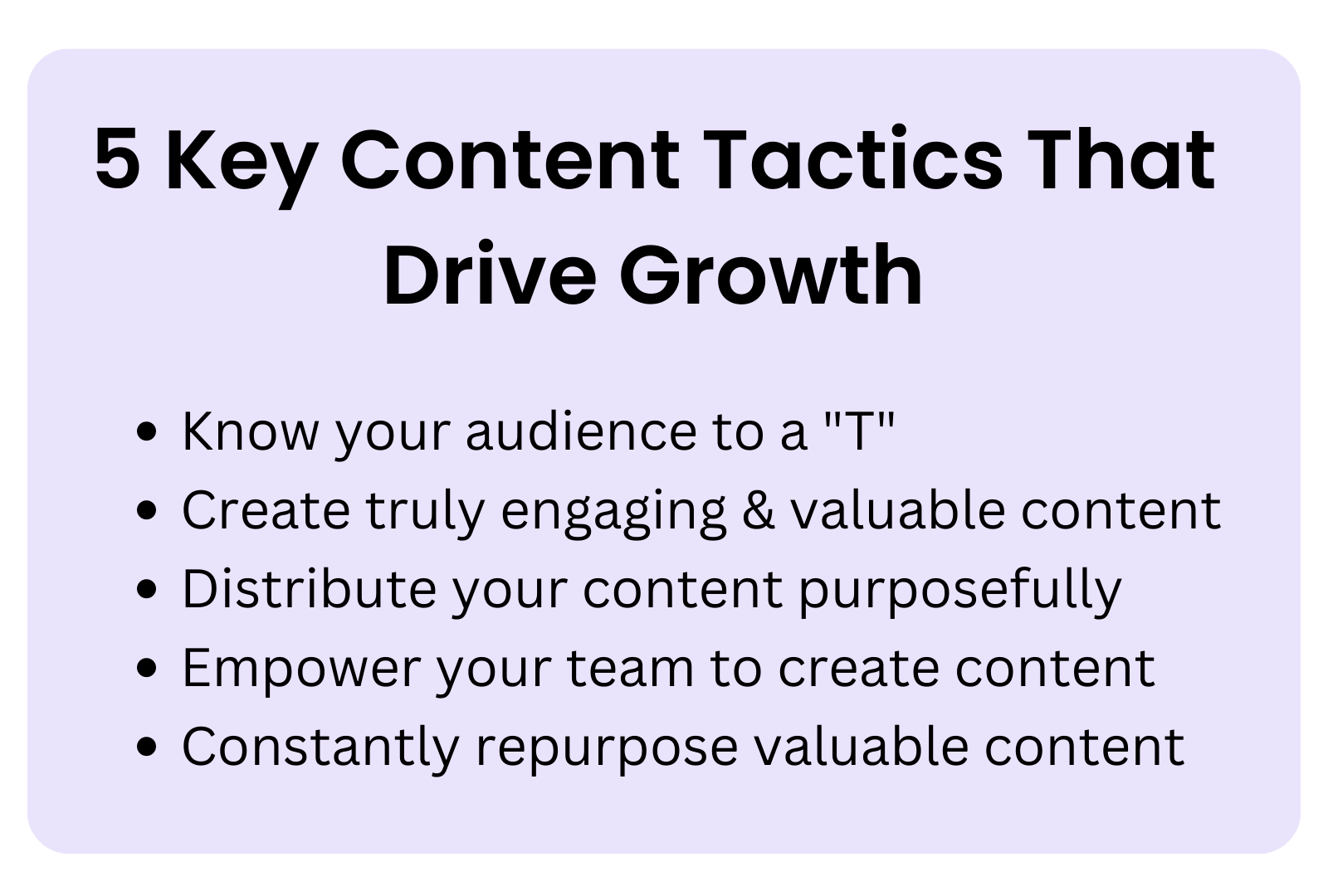
1. Know Your Audience
The heart of every successful content strategy is an in-depth understanding of your audience. Knowing their interests, concerns, desires, and pain points permits the creation of tailored content that resonates with them on a personal level.
- Conducting market research
- Creating precise buyer personas
- Analyzing feedback & speaking to customers
- Using digital tools for consumer profiling
These methods provide insights into what kind of content your audience finds engaging or valuable. In turn, this assists in refining your B2B content marketing approach to steadily enhance relevance and consequently drive growth through improved customer interactions.
2. Create Engaging Content
Once you’ve deciphered who exactly makes up your target demographic, the next step is coaxing these individuals by means of dynamic content. Clearly, creating engaging content is no easy feat; it demands creativity backed by solid strategies & data.
Engaging pieces must combine immediate value with a captivating narrative or intriguing delivery methods such as webinars or infographics. Hence offering something verging on ‘Edutainment’; a combination of education plus entertainment. The more compelling your message, the higher the likelihood that readers will retain it leading to increased interest and participation.
Example: The Game Changers webinar series is a great example of how you can engage your audience by hosting dynamic conversations with thought leaders in your space. Not only does it provide value to the direct audience, but it fuels the sales motion by attracting prospects at various stages of the funnel. With consistency and high-value content, they will surely be coming back time and time again.

3. Distribute Content Purposefully
Content distribution should follow a structured blueprint echoing purpose while aligning with your defined business & content goals.
Intentional distribution entails selecting fitting channels (both online and offline), and deliberate posting schedules tied directly to the viewing habits and preferences of your audience. A key ingredient here is consistency – sporadic or haphazard postings can lead to lost engagement opportunities.
Furthermore, SEO optimization efforts should be geared toward enhancing visibility upon search engine results to maximize your reach. Professional B2B content strategy applications can then provide a significant growth trajectory for your business.
4. Empower Your Team to Create Content
Next on our radar is developing an environment that supports content creation within all ranks inside an organization – essentially helping employees build their personal brands, contribute their voice to the community, and leverage ‘content-led-growth movements’ to gain brand exposure.
Encourage team members across departments to express their expertise via blog articles, social posts, etc. providing fresh perspectives. It’s important not to pressure your team to create content. Rather, you should encourage, enable, and guide them so that when they choose to start their journey it’ll be a piece of cake.
Even if they don’t outwardly promote your brand, the value they provide their audience and their ties back to your organization will help increase brand awareness. Encouraging a few people may even motivate more to jump on board, increasing your impact.

5. Repurpose Valuable Content
Finally, nailing down you repurposing strategy will help you get more out of your content with fewer resources. Instead of creating 50 content pieces covering various topics, opt for creating 5 high quality pieces and repurposinng that content into sub-pieces. With a single high-quality content piece, you can create:
- Articles
- Videos
- Infographics
- Carousels
- Social posts
- Webinars
- E-books
- Email copy
- White papers
- Sales collateral
- Maybe even a report
The sky is the limit. And since you are repurposing a highly valuable piece of content, it’s much easier to keep the quality of the repurposed content just as high.
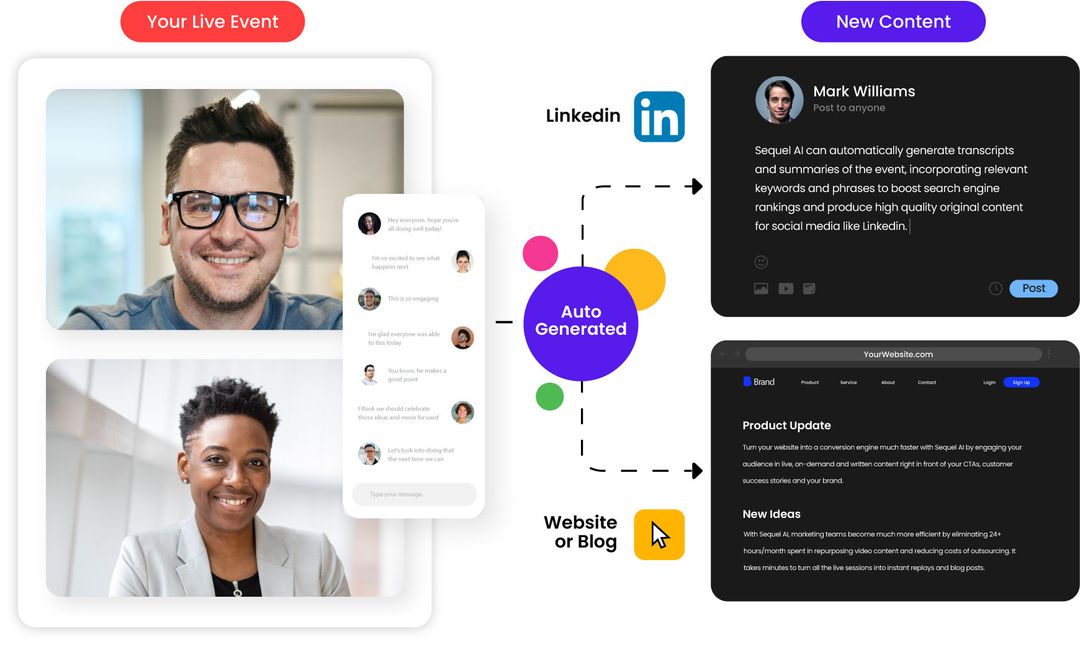
Example: A typical repurposing flow that companies like Carta & Userpilot use generally starts with a thought leadership webinar. Since that webinar is based on a unique discussion with an expert in the field, you don’t have to worry about repeating concepts other brands are already talking about.
From that webinar recording, you can use an AI tool, like Sequel AI, to generate SEO optimized blog articles and social media posts in seconds. Then you can use the video recording to create short insightful clips for social media. Each of these pieces then goes through your distribution strategy process to get the maximum reach possible.
Measuring your content-led growth impact
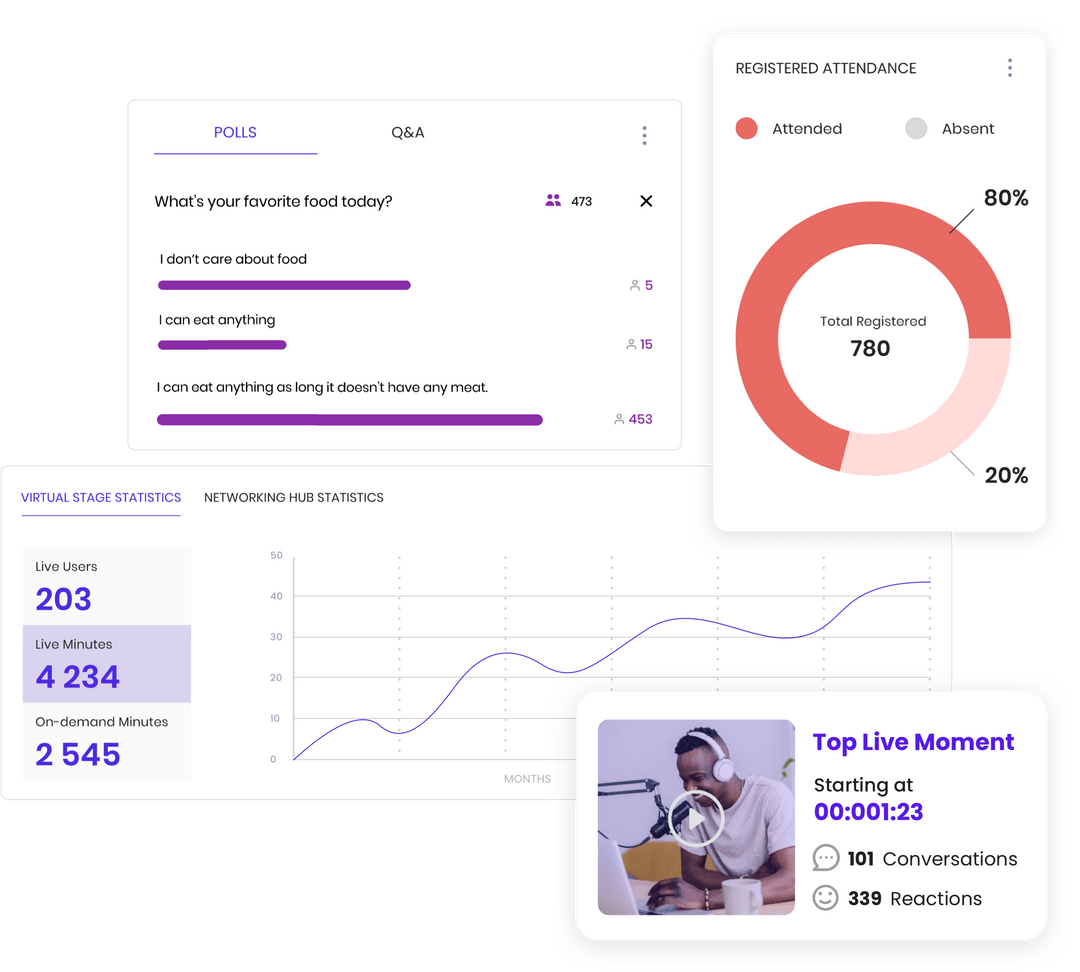
Measuring the success of any marketing strategy, including a content-led growth strategy, requires tracking defined metrics. To truly understand the impact of your content strategy and correlate its direct link with your overall business growth, there are some key performance indicators (KPIs) to consider:
- Website Traffic: It’s essential to analyze your website & blog traffic to identify if there is a change over time. If certain channels bring in more traffic than others, you may adjust your distribution approach to make use of those high-value channels as much as possible.
- Engagement: Indicators such as comments, likes, and shares demonstrate how much your audience interacts with your content. You can track these interactions via social media, your webinar analytics, and specific web pages if you have engagement features embedded on your website.
- Lead & Demand Generation: The amount of qualified leads drawn in by your content is a definite sign of positive content-led growth. On-demand & live webinars are a great way to do this since you are providing up-front value in return for an email address. Bonus points if you embed your webinars on your website to get people in front of high-intent CTAs.
- Sales Conversions & Pipeline: This is the ultimate metric proving that the B2B content marketing strategies you’ve implemented have not only attracted prospective customers but successfully converted them into actual sales.
These metrics might vary depending on what you aim to achieve through your digital content strategy & company as a whole. But undoubtedly, they stand pivotal when gauging the effectiveness of a “content-led” approach toward growth.
Monitoring these KPIs will not only give you a clear picture of where you stand presently but also provide insightful data for future content planning and optimization. Measure your progress against established benchmarks to help define your roadmap for effective content-led growth.
Strategically tracking success from every piece crafted enables marketers to invest more in winning themes/topics/formats while discarding what doesn’t work well—ultimately driving robust growth through content amplification on channels delivering maximum ROI. Measuring isn’t simply about numbers; it’s about making those numbers actionable towards ongoing improvement and sustainable growth.
Common Mistakes to Avoid When Implementing a Content-Led Growth Strategy
Content-led growth shapes leading marketing strategies, making it crucial for marketers to adopt the tactics we’ve covered this far. However, there isn’t a complete one-size-fits-all within the content strategy landscape.
There are a few key pitfalls to avoid that could stall your growth. Identifying common mistakes will allow you to proactively combat these issues and pave your way toward achieving successful content-led growth.
1. Overlooking Your Target Audience
One major downfall in a B2B content strategy is failing to properly define or consider your target audience. This lack of planning leads to crafting generalized content that appears irrelevant or fails to resonate with your specific audience. Develop an ironclad understanding of who exactly you are trying to reach before proceeding further with content development. Better yet, talk to those people directly!
2. Neglecting Quality for Quantity
The digital content world runs amok with marketers pushing out enormous volumes of work in a bid to catch up with their competition. The problem? It often comes at the expense of quality.
Having more doesn’t always mean better results—high-quality, engaging material is what successfully drives B2B content marketing efforts and fosters genuine connections between your brand and its consumers. If you feel the need to produce more, spend more time developing a repurposing process to retain the quality of cornerstone content pieces & their sub-content.
3. Ignoring Distribution Channels
Failing to leverage distribution platforms presents another roadblock on the journey toward successful content-led growth. Each platform serves unique purposes and appeals differently across demographic groups. It’s essential each piece of content finds its suitable online home where it captures maximum visibility from relevant audiences. If you don’t know where to start, collect all the potential channels by talking with your audience and test a few at a time to see which ones provide the best results.
4. Forgetting to Measure Performance
Keeping tabs on performance is vital when implementing a new initiative like a B2B content strategy process. Publishing and then forgetting about content does not cut it—you need proper analytics tracking in place for each post-release piece. By not doing so, you’ll have a harder time showing the impact of your program and not be able to contribute insights to key business decisions.
Remember – running blindly will never help you win the race. A robust check-and-balance system ensures that you’re headed in the right direction. As Benjamin Franklin rightly said: “By failing to prepare, you are preparing to fail.” Think long-term, plan wisely, execute meticulously—and surely watch as your digital content strategy brings excellent results.

Best Practices for Developing a Successful Content-Led Growth Strategy
Creating a solid foundation using content-led growth means implementing best practices. These strategies revolve around understanding audience dynamics, crafting captivating content, and leveraging the power of digital platforms.
- Analyze Your Audience: Before creating any piece of content, it’s important to deeply understand who will be consuming your work. The success of your B2B content strategy greatly depends on how well you know your target market.
- Create Valuable Content: Your digital content strategy should prioritize offering value above everything else. As long as readers find your work significant, they’ll likely engage with it and share it with others within their network.
- Elevate SEO Strategies: When developing a successful content-led growth plan, one cannot afford to overlook the importance of SEO in marketing. Properly optimized content can significantly increase organic visibility and amplify growth through content.
- Assess Content Performance: Being proactive about analyzing the performance of your existing content is crucial for maintaining an effective strategy in modern B2B content marketing.
- Engage on Social Media: Broadening distribution methods by including social media sites into your framework propels you closer to achieving an impactful reach with your engaging content & make it easier for people to share.
- Embrace Visuals: Humans are visual creatures; hence, integrating graphics such as images, infographics, or videos improves engagement rates.
- Partner with Influencers: Collaborating with industry influencers helps extend the reach of your message and boosts credibility among potential prospects.
Note that all these elements are intertwined – you’ll need to incorporate them together when crafting each article, blog post, video, etc. in line with what we’ve uncovered today on ‘content led growth’. A comprehensive approach allows businesses to maximize their online presence and generate substantial returns from promotional efforts while avoiding common pitfalls associated with poor planning and execution.
Conclusion
Adopting content-led growth tactics marks a pivotal shift for businesses wanting to thrive amidst today’s intense competition and evolving market trends. It empowers brands to establish unique points of connection with their target consumers proving an unmatched ally for savvy marketers.
A content-led growth strategy is more than just writing blogs or sharing posts; it’s about building relationships with your audience and providing them value through insightful, engaging content. But remember creating a successful digital content strategy does not happen overnight.
This approach requires thoughtful planning, consistent execution, and continuous refining based on data & tracking. A committed team crafting relevant and compelling material within the confines of a well-planned B2B content strategy sets the stage for exceptional growth.
Want to hear more about content-led growth? Watch this on-demand webinar for more insights.
FAQ
What is content-led marketing?
Content-led marketing is an inbound approach where content serves as the primary channel for attracting, engaging, and converting buyers. Instead of supporting paid or outbound efforts, content becomes the main engine driving demand generation, lead nurture, and pipeline.
What is content-led growth?
Content-led growth is the business strategy that emerges when content-led marketing scales beyond the marketing department. It means content drives not just acquisition but also sales enablement, customer retention, product adoption, and expansion revenue across the entire company.
What is the difference between content-led marketing and content-led growth?
Content-led marketing is the tactic. It answers “how do we market this company?” Content-led growth is the strategy. It answers “how does this company grow?” Content-led marketing is what the team executes. Content-led growth is what happens when that execution compounds across the full customer lifecycle.
What types of content drive the most growth for B2B companies?
Webinars, in-depth guides, comparison pages, and case studies consistently generate the highest-quality leads. Thought leadership builds brand authority and trust. The key is matching content format to buyer intent at each funnel stage rather than defaulting to blog posts for everything.
How do you measure the ROI of content-led marketing?
Track four layers: organic traffic by content cluster, engagement depth such as time on page and watch time, leads generated by content, and pipeline influenced by content assets. The ultimate metric is revenue attributed to content touchpoints across the buyer journey.
How long does content-led marketing take to show results?
Initial traffic and engagement improvements show within 2-3 months. Meaningful pipeline impact typically takes 6-9 months of consistent execution. Returns accelerate over time because content compounds, unlike paid channels where results stop when spending stops.
What is the biggest mistake companies make with content-led marketing?
Prioritizing volume over quality. AI has made it cheap to produce high volumes of mediocre content, which means mediocre content has zero competitive value. The companies winning invest in fewer, higher-quality pieces and repurpose them systematically rather than publishing at maximum volume.
How do webinars fit into a content-led marketing strategy?
Webinars are one of the highest-leverage formats for B2B because they generate qualified leads, create direct audience engagement, and produce raw material for months of derivative content. A single webinar becomes blog posts, social clips, email content, and sales collateral, making it the starting point for an entire content engine.
How do you build a content-led marketing strategy with a small team?
Focus on repurposing over net-new creation. Create one high-quality cornerstone piece per week and turn it into 8-10 derivative assets. Use AI tools for transcription, summarization, and content generation. Embed webinars on your website so every event automatically becomes a library of reusable content.